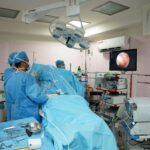

Precision in surgery is a critical aspect of modern medical practices, especially in the realm of minimally invasive procedures. One of the key tools contributing to this precision is the Electrosurgical Generator, often referred to as the ESU (Electrosurgical Unit). In this article, we will explore the purpose of electrosurgery, the functions of the ESU, and whether electrosurgery is invasive. The landscape of surgical procedures has undergone a transformative shift with the advent of minimally invasive surgery (MIS). As the demand for less invasive techniques rises, the role of electrosurgical generators in achieving precision during these procedures becomes increasingly pivotal.
Purpose of Electrosurgery:
Electrosurgery serves multiple purposes in the medical field. Its primary goal is to use high-frequency electrical currents to cut, coagulate, or ablate tissues during surgical procedures. This precision allows surgeons to operate with minimal blood loss and tissue damage, making it particularly advantageous for minimally invasive procedures.
Understanding Minimally Invasive Surgery:
Minimally invasive surgery, also known as laparoscopic or keyhole surgery, involves making small incisions and using specialized tools to perform procedures. This approach minimizes trauma to the patient’s body, resulting in less pain, shorter hospital stays, and faster recovery. However, achieving precision in such surgeries requires advanced technologies, and electrosurgical generators have emerged as indispensable tools.
The function of the ESU:
The Electrosurgical Generator, or ESU, is the heart of electrosurgery. Its function is to generate the electrical currents required for various surgical tasks. The generator produces high-frequency alternating current, which can be applied in cutting mode for precise incisions or coagulation mode to control bleeding. The versatility of the ESU makes it an indispensable tool in modern operating rooms.
In minimally invasive procedures, which involve smaller incisions compared to traditional surgeries, Electrosurgical Units play a crucial role. Surgeons can navigate through the body with specialized instruments guided by the precision of electrosurgical currents produced by the generator. This reduces the trauma to the patient and also expedites the recovery process.
Modes and Features:
Modern electrosurgical generators come equipped with an array of modes and features designed to enhance precision. Features like Auto-start and auto-stop coagulation modes allow the generator to automatically adjust power delivery based on tissue conditions, minimizing the risk of unintended damage and ensuring optimal coagulation.
Safety Measures and Minimizing Complications:
While electrosurgical generators enhance precision, safety remains a top priority. These devices are equipped with safety features such as temperature monitoring and power modulation, reducing the risk of complications. Surgeons undergo specialized training to operate these generators effectively, further ensuring patient safety during minimally invasive procedures.
Conclusion:
In modern surgery, achieving precision is paramount for successful outcomes. Electrosurgical generators play a pivotal role in enabling surgeons to perform intricate procedures with accuracy in minimally invasive surgeries. One of the notable players in the field of electrosurgical generators is the Combimax Series by Alan India. This state-of-the-art generator boasts a user-friendly interface, ensuring surgeons can focus on their craft without unnecessary complexity.
As technology advances, these generators will likely evolve, further pushing the boundaries of what is possible in the realm of surgical precision. By embracing the capabilities of electrosurgical generators, surgeons can continue to push the boundaries of what is achievable in minimally invasive procedures, ultimately leading to improved patient outcomes and a brighter future for the field of surgery.
Source: