
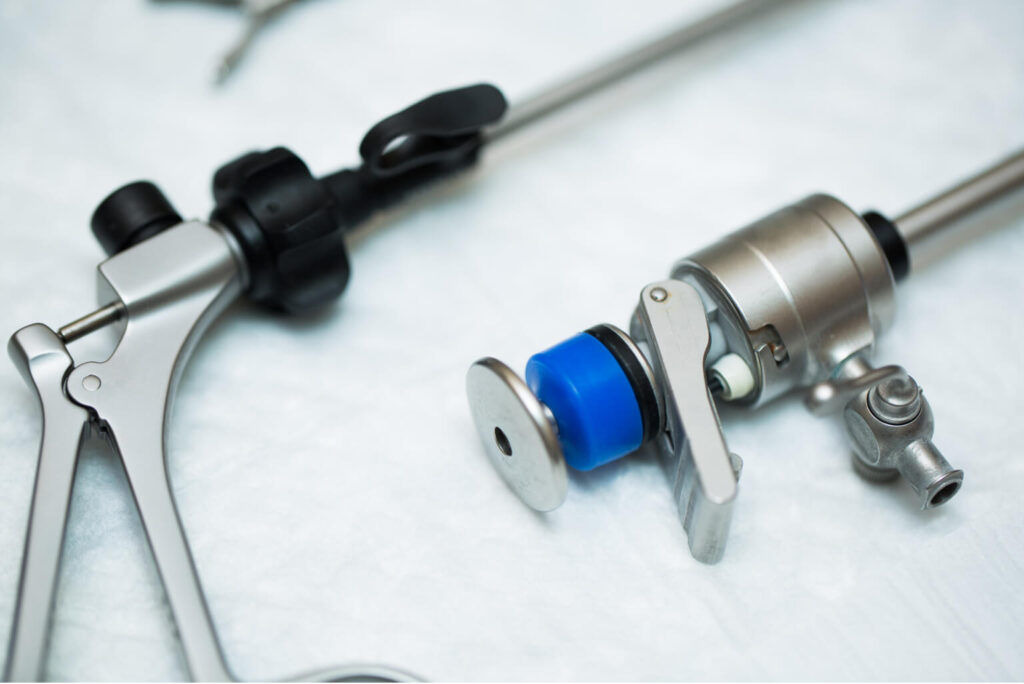
Electrocautery, a fundamental component of modern surgical practice, plays a crucial role in various medical procedures, from minor surgeries to complex interventions. This innovative technology utilizes electrical energy to achieve hemostasis, tissue cutting, and coagulation during surgical procedures.
Understanding Electrocautery:
Electrocautery, often referred to as thermal cautery, is a surgical technique that employs heat generated by an electric current to coagulate, cut, or remove tissue. The apparatus consists of a handheld device with a tip that conducts electricity, typically made of a resistant material such as tungsten or stainless steel. When activated, the device delivers a controlled electrical current, which heats the tip, allowing it to interact with tissue.
The Mechanism Behind Electrocautery:
At its core, electrocautery exploits the principles of electrical resistance and heat generation. When the current passes through the tip of the device, resistance within the tissue causes the tip to heat up rapidly. This intense heat effectively seals blood vessels, preventing excessive bleeding during surgical procedures. Moreover, it facilitates precise tissue dissection by simultaneously cutting and cauterizing, minimizing trauma and reducing the risk of complications.
Electrosurgery: Powering Electrocautery’s Precision
At the heart of electrocautery lies the concept of electrosurgery, a technique that employs electrical energy to achieve various surgical objectives. The fundamental principle of electrosurgery involves converting electrical energy into heat energy, which is then applied to the target tissue through the active electrode of the electrocautery device. This controlled delivery of energy enables surgeons to perform precise incisions, coagulate bleeding vessels, and desiccate tissue with unparalleled accuracy.
Types of Electrocautery:
There are two primary types of electrocautery: Monopolar and Bipolar. In monopolar cautery, the electrical current flows from the device’s tip through the patient’s body to a neutral electrode placed elsewhere on the body, completing the circuit. This type is commonly used for large-scale tissue coagulation and cutting. In contrast, bipolar cautery utilizes two closely spaced electrodes on the same instrument tip, allowing for more localized cauterization with reduced tissue damage.
Advantages of Electrocautery:
- Precision and Control: Electrocautery provides surgeons with unparalleled precision and control over tissue manipulation, allowing for accurate incisions and hemostasis. By precisely delivering energy to the target tissue, electrocautery minimizes collateral damage and ensures optimal surgical outcomes.
- Efficient Hemostasis: One of the primary advantages of electrocautery is its ability to achieve rapid and effective hemostasis during surgical procedures. By cauterizing blood vessels as they are cut, electrocautery helps control bleeding, maintaining a clear surgical field and facilitating uninterrupted workflow.
- Reduced Blood Loss: Electrocautery significantly reduces intraoperative blood loss by sealing small blood vessels and tissue planes during surgery. This not only improves visibility and accessibility but also minimizes the need for blood transfusions, reducing the risk of complications and enhancing patient safety.
- Time Efficiency: With its simultaneous cutting and coagulation capabilities, electrocautery offers significant time savings compared to traditional surgical techniques. Surgeons can complete procedures more efficiently, leading to shorter operative times and reduced patient discomfort.
- Versatility and Adaptability: Electrocautery devices come with a range of settings and attachments, allowing surgeons to tailor their approach to the specific requirements of each procedure. Whether performing delicate tissue dissection or aggressive coagulation, electrocautery offers versatility and adaptability in surgical practice.
Safety Considerations:
While electrocautery is a valuable surgical tool, its use necessitates careful attention to safety protocols. Surgeons must be mindful of the potential risks associated with thermal injury, including tissue necrosis and unintended collateral damage. Adequate training and adherence to established guidelines are essential to mitigate these risks and ensure optimal patient outcomes. Furthermore, proper maintenance and calibration of electrocautery devices are imperative to prevent malfunctions and ensure consistent performance.
In conclusion, electrocautery stands as a testament to the transformative power of electrosurgery in modern medicine. By harnessing the principles of electrical energy and precise tissue manipulation, electrocautery enables surgeons to achieve superior surgical outcomes with enhanced efficiency and safety. As a cornerstone technology in surgical interventions, electrocautery continues to revolutionize patient care across a diverse range of medical specialties.
Sources: